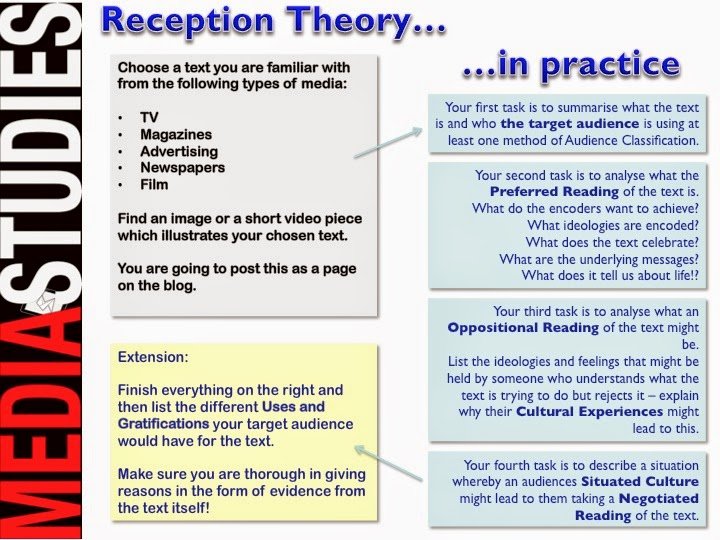
When a film hits the big screen or drops on your favorite streaming service, its journey is only just beginning. The real test? How it lands with you, the audience. Reviews, ratings, and audience reception aren't just vanity metrics; they're the lifeblood of a film's ongoing success, shaping its legacy, influencing future projects, and often, determining its very profitability. For filmmakers, producers, critics, and even the casual moviegoer, understanding this complex web of public opinion is crucial. It’s the difference between a cultural phenomenon and a forgotten flop.
At a Glance: What You'll Learn
- Why Audience Reception Matters: It’s more than just box office numbers; it drives future creative and financial decisions.
- Key Metrics to Monitor: From ticket sales to social media buzz, discover the indicators of a film's impact.
- Tools for Tracking Reception: How modern analytics and traditional research methods reveal audience sentiment.
- The Critic vs. The Crowd: Navigating the dynamic relationship between professional reviews and public opinion.
- Cultural & Social Influences: Understanding how identity and context shape viewer responses.
- Leveraging Feedback: Practical strategies for filmmakers and insights for understanding film commentary.
Beyond the Box Office: Why Audience Reception Is Paramount
Think of audience reception as the ultimate feedback loop for storytellers. It’s not merely about how many tickets are sold or how many streams are logged; it's a deep dive into whether a film truly connected, resonated, or perhaps, missed the mark entirely. This collective judgment provides invaluable insights into audience preferences, behaviors, and engagement levels.
For creators, these metrics are a roadmap. They help tailor films for specific demographics, ensuring creative visions aren't just realized, but also embraced. By understanding what moves an audience, filmmakers can enhance artistic impact and commercial success, optimize storytelling, and fine-tune distribution strategies. Crucially, paying attention to this feedback loop can prevent costly marketing and production missteps, allowing for real-time adjustments and informing pivotal decisions for future projects.
The Core Metrics: Decoding Audience Sentiment
Understanding how a film performs means looking beyond a single number. It requires a holistic view, combining quantitative data with qualitative insights to paint a full picture of audience perception.
Box Office Returns: The Initial Financial Barometer
This is often the first, most visible sign of a film's commercial viability. Box office returns provide a snapshot of financial success and allow for direct performance comparison against other films. A strong opening weekend signals initial public interest and effective marketing, while sustained performance indicates positive word-of-mouth. But remember, financial success doesn't always equate to critical acclaim or long-term cultural significance. Sometimes, a film with a modest box office can become a cult classic later, proving that initial financial data is just one piece of the puzzle.
Demographic Information: Who's Watching (and Why)?
Knowing who your audience is crucial. Data on age, gender, location, and viewing habits details the audience composition, aiding in tailoring creative vision, marketing campaigns, and even future content. For instance, understanding that a particular genre resonates more with a younger demographic in urban areas can inform everything from casting choices to promotional channels. It helps you speak directly to the people most likely to engage with your story.
User Ratings and Audience Reviews: The Voice of the Crowd
Platforms like IMDb, Metacritic, and Rotten Tomatoes have democratized film criticism, allowing millions of viewers to share their opinions. These user ratings and audience reviews offer qualitative insights into a film's success, highlighting specific elements that performed well (or didn't).
- IMDb: A vast database where users rate films on a 1-10 scale and leave detailed reviews. The average score reflects broad appeal, while individual reviews often dive into specific plot points, performances, or direction.
- Rotten Tomatoes: Known for its "Tomatometer" (percentage of positive professional reviews) and "Audience Score" (percentage of users who rated it 3.5 stars or higher). The Audience Score is a powerful indicator of general public sentiment, often diverging from the critics' score.
- Metacritic: Aggregates both critic and user scores, converting them into a weighted average. This platform often provides a more nuanced view by offering a "Metascore" (critic average) and a separate "User Score."
These platforms are treasure troves of feedback, revealing not just what people thought, but why. Did the ending fall flat? Was a character's arc unconvincing? Was the theme particularly resonant? This detailed feedback is gold for filmmakers looking to improve.
Social Media Statistics: The Real-Time Cultural Pulse
In today's interconnected world, social media is an immediate, unfiltered barometer of public opinion. Hashtags, shares, comments, likes, and trending topics demonstrate a film's cultural reach and fan engagement. A film sparking viral discussions on Twitter, generating fan art on Instagram, or inspiring countless TikTok videos is clearly tapping into the zeitgeist.
Monitoring these platforms reveals:
- Buzz & Hype: How much anticipation and excitement is being generated pre-release.
- Real-time Reactions: Immediate responses to specific scenes or plot twists.
- Cultural Impact: Whether the film is fostering conversations, debates, or community around its themes.
- Influencer & Fan Engagement: Who is talking about the film and how deeply they are connecting with it.
For instance, the social media fervor around a film like Black Panther amplified its cultural significance far beyond traditional metrics, showcasing its impact on representation and identity. Conversely, widespread negative memes and online ridicule, such as those for the film Cats, clearly signaled a disconnect with audience desires before even deeper analysis.
Tools of the Trade: Measuring the Mood
Effective tracking of audience reception isn't guesswork; it requires specific tools and strategies that combine both speed and depth.
Digital Platforms & Analytics: Your Real-Time Dashboard
Most major streaming platforms and ticketing sites offer robust analytics dashboards. These tools provide real-time data on box office figures, ratings averages, viewing patterns, and user sentiment. You can track peak viewing times, rewatch rates, and even geo-location data, offering granular insights into how and where audiences are engaging. This data empowers studios to quickly respond to trends, adjust marketing efforts, or even greenlight sequels or spin-offs based on clear demand.
Social Listening Tools: Eavesdropping on the Web
Beyond simple social media stats, dedicated social listening tools scour the internet for mentions, sentiments, and conversations related to a film. These tools can track discussions across various channels—Twitter, Reddit, forums, news comments—and analyze the tone (positive, negative, neutral), identify key themes, and even pinpoint influential voices. They're like having a finely tuned radar for public opinion, giving you a sense of the cultural resonance that often shapes long-term success.
Surveys & Focus Groups: Deep Dives into the Human Psyche
While big data gives you the "what," qualitative research methods like surveys and focus groups provide the "why."
- Survey tools: Allow for broader data collection on specific questions, measuring audience satisfaction, emotional responses, and specific feedback on plot, characters, or themes. These can be deployed pre-release for test screenings or post-release to gather detailed opinions.
- Focus groups: Bring together a small, diverse group of viewers for in-depth discussions. A skilled moderator can uncover nuanced emotional responses, cultural context, and unconscious biases that quantitative data alone might miss. This direct feedback provides a deeper understanding of the audience's emotional connection and contextual interpretation of the film.
Combining direct, human feedback with quantitative data offers a truly holistic picture of audience perception, helping creators understand both the broad strokes and the subtle shades of viewer experience. It’s this blended approach that helps us appreciate why a film like The Dogs Purpose and Way Home resonates so deeply with its target audience, often driven by emotional connection rather than just critical acclaim.
The Dance Between Audience and Critic: A Modern Relationship
The relationship between audience reception and film criticism is complex, often intertwined, and significantly democratized by digital platforms and social media. Once, critics held a near-monopoly on opinion; now, everyone's a critic with a platform.
Democratization of Opinion
The rise of Rotten Tomatoes, Metacritic, and countless online forums means that the "average viewer" now has a powerful, aggregated voice. This collective audience response can sometimes drown out or contradict individual professional reviews, creating a dynamic tension that shapes public discourse around a film. A film might be critically panned but adored by audiences, or vice-versa, sparking debates that fuel its cultural relevance.
How Audience Response Influences Critics
It's a two-way street. While critics aim for objectivity, they are not immune to the roar of the crowd.
- Commercial Success as a Signal: High box office performance often suggests cultural relevance and widespread appeal, prompting critics to revisit or re-evaluate their initial assessments. A film that captures the zeitgeist often demands a deeper look.
- Word-of-Mouth Buzz: Positive or negative public buzz can prompt critics to reevaluate a film, especially if audience reactions highlight aspects they might have overlooked. A groundswell of passionate fan discussion can shift the narrative.
- Social Media Insights: Critics increasingly use social media as a real-time window into cultural relevance and impact. Seeing which themes resonate, which characters are celebrated, or which moments are memed provides valuable context for their own analyses.
The Inevitable Tensions: Subjectivity vs. Objectivity
Despite the overlap, tensions often exist. Critics often strive for an analytical framework rooted in film theory, historical context, and technical mastery, aiming for a degree of "objectivity." Audiences, however, approach films with highly subjective personal experiences, emotional responses, and a desire for entertainment or escapism.
Critics may struggle to reconcile diverse audience reactions with their analytical frameworks. A film that brilliantly executes complex themes might be deemed "boring" by a mass audience seeking pure entertainment, creating a divide. This tension highlights that "good" film can be defined by different metrics for different people. Understanding this dynamic is key to appreciating the full spectrum of a film's impact.
The Unseen Hand: Cultural and Social Contexts
A film doesn't exist in a vacuum. Its reception is profoundly shaped by the cultural and social factors surrounding both the film itself and its audience.
Identity Matters: How Background Shapes Views
A viewer's personal identity—their race, gender, socioeconomic status, nationality, and personal history—powerfully influences their response to a film.
- Cultural Representation: Films that offer authentic, positive representation often resonate deeply with underrepresented communities, fostering a sense of belonging and validation. Black Panther, for example, was celebrated not just for its filmmaking, but for its groundbreaking cultural significance.
- Socioeconomic Status: A film exploring themes of poverty or social inequality will be viewed very differently by someone who has lived those experiences versus someone who has not.
- Political Climate: Films with political undertones or social commentary will be interpreted through the lens of current events and prevailing ideologies, leading to varied and often passionate responses.
These factors underscore that reception is rarely purely aesthetic; it's deeply personal and often political. What one audience finds offensive, another might find empowering, all based on their lived experiences and perspectives. The narratives we consume, particularly those that explore complex themes like those in A Dog's Purpose and Way Home, often tap into universal emotions while still being filtered through individual lenses.
Technological Evolution: The Platforms That Empower Reception
Technological advancements have not only democratized criticism but also accelerated the spread and aggregation of audience opinion.
- Rotten Tomatoes & Metacritic: These aggregators quickly became go-to sources for a quick temperature check of a film's standing.
- Twitter & Facebook: Transformed film-watching into a communal, real-time experience. Viewers can share reactions, memes, and debates instantly, creating a global conversation thread around a new release.
- YouTube & TikTok: Platforms where amateur critics, fan theories, and reaction videos thrive, further amplifying audience voices and creating new forms of film commentary.
This constant, rapid-fire exchange of opinions means that audience reception is no longer a slow-burn process but an immediate, evolving dialogue. It offers filmmakers and critics an unprecedented, if sometimes overwhelming, amount of data to consider.
Methodologies for Deeper Understanding: Beyond the Likes
To truly grasp audience reception, a mix of research methodologies is essential. Each offers a different lens, providing either broad patterns or intricate details.
Qualitative Research: Stories and Nuanced Insights
Qualitative methods delve into the why behind audience responses, seeking nuanced insights through direct engagement.
- Focus Groups: As mentioned earlier, these moderated discussions explore emotional responses, interpretations, and motivations in a group setting. They're excellent for uncovering shared sentiments and unexpected insights.
- Interviews: One-on-one interviews offer even deeper, personalized insights into individual viewer experiences. They can uncover unique perspectives, personal connections to the film's themes, or subtle details that might be lost in group discussions.
These methods are labor-intensive but yield rich, descriptive data that quantitative approaches can't capture, providing the human stories behind the numbers.
Quantitative Research: Trends and Patterns
Quantitative methods focus on measurable data, identifying broader trends and patterns across large populations.
- Surveys: Standardized questionnaires allow researchers to collect data from a large number of participants, measuring satisfaction levels, preferences, and demographic information. This data is statistically analyzable, providing reliable insights into general audience sentiment.
- Box Office Analysis: This involves analyzing ticket sales data over time, comparing performance across markets, and identifying factors influencing commercial success.
- Ratings Aggregation: Compiling and analyzing user ratings from platforms like IMDb or Rotten Tomatoes provides an overall numerical score for audience approval.
Quantitative data provides the scale and statistical validity, revealing the "what" and "how much" of audience reception.
Big Data and Analytics: The Macro View
The explosion of digital content has ushered in the era of big data. By analyzing massive datasets of audience behavior—streaming habits, search queries, social media activity, and digital interactions—researchers can uncover sophisticated patterns and preferences. Machine learning algorithms can predict audience reception, identify emerging trends, and even optimize content recommendations. This allows for a macro-level understanding of audience behavior that goes beyond traditional metrics, revealing hidden correlations and deep-seated preferences. The story of A Dog's Purpose becoming a surprising box office hit, despite mixed critical reviews, can be better understood through such analytics, revealing a strong connection with a niche, passionate audience.
Audience Reception: A Compass for Critics and Creators Alike
Considering audience reception is no longer optional; it's crucial for film criticism and an indispensable guide for filmmakers.
Challenging and Reinforcing Critical Assessments
Audience response often provides valuable context for a film's cultural significance.
- Challenging Assumptions: The public's reaction can highlight overlooked aspects of a film—a nuanced performance, a powerful emotional impact, or a timely social commentary—that critics might have initially missed. It can force a reevaluation of a film's merits.
- Reinforcing Assessments: Conversely, widespread audience agreement with critical praise (or disdain) can provide additional evidence, reinforcing and strengthening an initial critical assessment. When critics and the crowd align, it often points to a truly impactful film.
This dynamic interaction enriches critical discourse, leading to a more nuanced and holistic understanding of a film's place in culture.
Guiding Future Projects
For filmmakers and studios, audience reception is a powerful predictive tool.
- Learning from Successes: What made Black Panther resonate so powerfully? Its authentic cultural representation, compelling characters, and engaging storyline. These insights can inform the development of future projects, guiding decisions on casting, themes, and narrative approaches.
- Avoiding Pitfalls: The widespread negative feedback for Cats highlighted a significant disconnect between creative vision and audience expectations. Analyzing such failures helps prevent similar missteps in subsequent productions.
- Identifying Trends: Consistent positive reception for certain genres, storytelling styles, or character types can signal emerging trends, helping studios greenlight projects with higher chances of success. It's not about chasing trends blindly, but understanding the pulse of the audience. The success of films like The Dogs Purpose and Way Home shows that stories with a strong emotional core and identifiable themes can thrive, irrespective of the highest critical acclaim, by tapping into deep audience desires.
By understanding what drives both critical praise and audience love (or scorn), filmmakers can make more informed creative and commercial decisions, crafting stories that not only entertain but also connect and endure.
Navigating the Nuances: Best Practices for Engaging with Audience Feedback
You’ve got the metrics, the tools, and an understanding of the complex dynamics. Now, how do you effectively engage with and learn from this deluge of audience feedback?
Look Beyond the Score: Deeper Meaning
Don't just fixate on a film's Rotten Tomatoes score or IMDb average. Dive into the individual reviews and comments.
- Qualitative Analysis: Read why people rated it high or low. What specific elements are mentioned repeatedly? Are there common themes in positive feedback (e.g., "amazing cinematography," "powerful acting") or negative feedback ("plot holes," "slow pacing")? This qualitative data is far more valuable than a mere number.
- Sentiment Analysis: Use tools to gauge the overall sentiment, but also look for specific emotions expressed (joy, anger, sadness, confusion).
Identify Trends, Not Just Outliers
Every film will have its passionate fans and vehement detractors. Don't let extreme opinions overshadow the broader consensus.
- Pattern Recognition: Look for recurring patterns across multiple platforms and demographics. If 70% of viewers are consistently praising a specific actor's performance, that's a strong trend. If a significant percentage of female viewers are criticizing a character's portrayal, that's a crucial trend to address.
- Demographic Segmentation: Analyze feedback segmented by age, gender, location, or cultural background. What resonates with one group might fall flat with another, and understanding these differences is key to crafting targeted content. This granular view can explain why a film like A Dog's Way Home resonated so strongly with pet owners, for example.
Use Feedback for Growth, Not Just Validation
Audience reception isn't just about celebrating successes; it's about identifying areas for improvement and innovation.
- Iterative Storytelling: For episodic content, real-time audience feedback can even influence future episodes or seasons, allowing creators to pivot or lean into popular elements.
- Post-Mortem Learning: After a film's release, conduct thorough post-mortems using all available audience data. What worked? What didn't? How can this inform the next project? This continuous learning cycle is vital for long-term success.
Pitfalls to Avoid
- Ignoring Negative Feedback: Dismissing criticism as "haters" is a surefire way to miss crucial lessons. Even harsh feedback can contain kernels of truth.
- Overreacting to Every Comment: Not every piece of feedback is actionable or representative. Balance specific critiques with the broader trends.
- Chasing Trends Blindly: While understanding trends is important, sacrificing artistic integrity to pander to the lowest common denominator rarely leads to groundbreaking work. Use insights to inform, not dictate, your creative vision.
- Solely Relying on One Metric: A film could be a box office smash but critically panned, or a critical darling with niche appeal. A balanced view considers all metrics.
Your Next Steps in Understanding Film Reception
Navigating the landscape of reviews, ratings, and audience reception is an ongoing journey. For creators, it means embracing data as a partner in storytelling, a guide that helps refine, connect, and thrive. For cinephiles, it means approaching film commentary with a deeper appreciation for the diverse lenses through which stories are experienced.
Start by actively seeking out diverse perspectives. Read both professional criticism and audience reviews. Pay attention to social media conversations. Recognize that every film, much like a beloved pet in a film series, builds a community around it, like the one that grew around The Dogs Purpose and Way Home. Understand that a film's success isn't just measured in dollars or stars, but in its ability to spark conversation, challenge perspectives, and leave an indelible mark on its viewers. The true measure of a film's impact lies in its reception, a vibrant, ever-evolving dialogue between creators and their audience.